
News
Top Benefits of Folding Sofas: Versatility & Style
Advantages of folding sofas Folding sofas are a versatile addition to any home. They offer more than just a place to sit. These innovative pieces

In today’s fast-paced world, where urban apartments are getting smaller and multifunctional spaces are a must, finding furniture that balances comfort, style, and practicality has become a top priority. Enter compression sofas—a game-changing innovation that’s redefining how we use and perceive seating in tight quarters. Whether you’re a city dweller in a studio, a renter looking for flexible furniture, or a homeowner aiming to maximize every square foot, compression sofas offer a smart solution to one of modern living’s biggest challenges: limited space.
What Are Compression Sofas, Exactly?
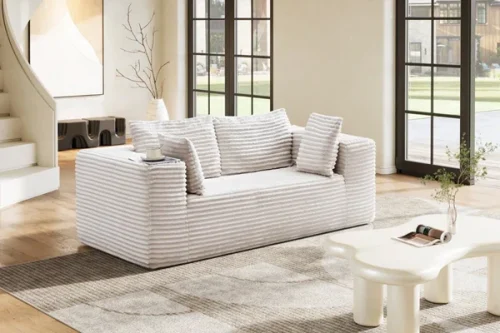
Let’s start with the basics: A compression sofa (also known as a space-saving or foldable compression sofa) is designed with a unique mechanism that allows it to “compress” or shrink in size without sacrificing comfort. Unlike traditional sofas, which take up a fixed amount of floor space, compression sofas use adjustable frames, foldable cushions, or modular components to reduce their footprint when not in use.
For example, some models can be compressed from a full-sized three-seater to a compact loveseat or even a single chair with a few simple adjustments. Others feature hidden storage compartments within their compressed structure, doubling as a place to stow blankets, pillows, or seasonal items. The best part? This functionality doesn’t mean compromising on quality—top-tier compression sofas are built with durable materials like high-density foam, reinforced frames, and stain-resistant fabrics, ensuring they feel just as luxurious as standard sofas.
Why Compression Sofas Are a Must-Have for Small Spaces
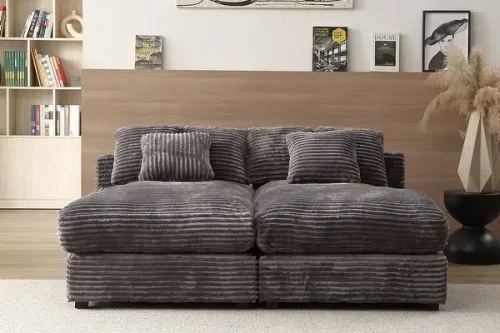
If you’ve ever struggled to fit a sofa into a narrow hallway, or felt like your living room was dominated by bulky furniture, you’ll understand the appeal of compression sofas. Here are the key benefits that make them a favorite among space-conscious shoppers:
1. Unbeatable Space Efficiency
The biggest draw of compression sofas is their ability to adapt to your needs. During the day, when you need more room to move, work, or entertain, you can compress the sofa to free up floor space. At night, when you want to relax with a movie or host guests, simply expand it to its full size. This flexibility is a lifesaver for studio apartments, small living rooms, or even home offices that double as guest spaces.
2. Portability and Easy Installation
Unlike heavy, traditional sofas that require multiple people to move and assemble, compression sofas are often lightweight and easy to handle. Many models come in compact packages that can fit through narrow doorways or elevator doors—no more worrying about whether your new sofa will fit into your building! Plus, most compression sofas require minimal assembly, with clear instructions that let you set them up in minutes, not hours.
3. Versatility for Every Lifestyle
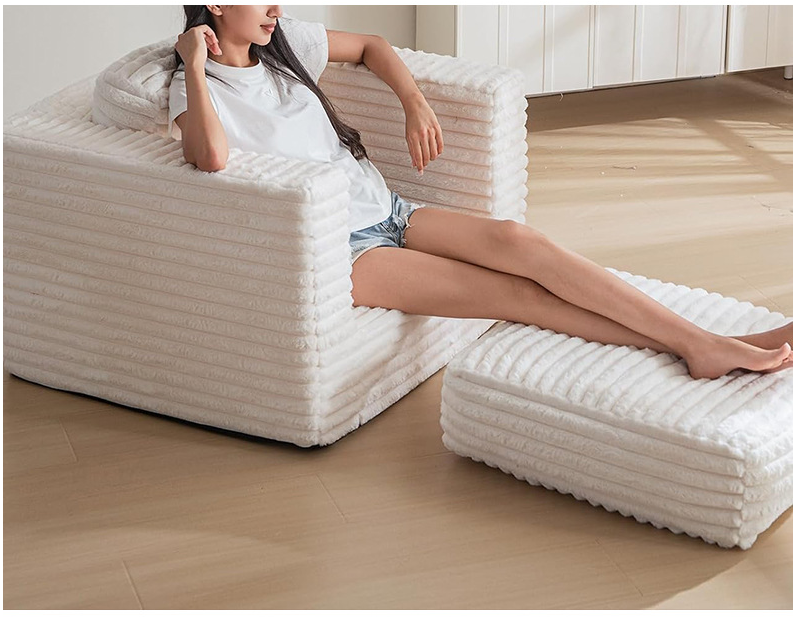
Compression sofas aren’t just for small apartments—they’re also perfect for anyone who values versatility. For example:
How to Choose the Right Compression Sofa for You
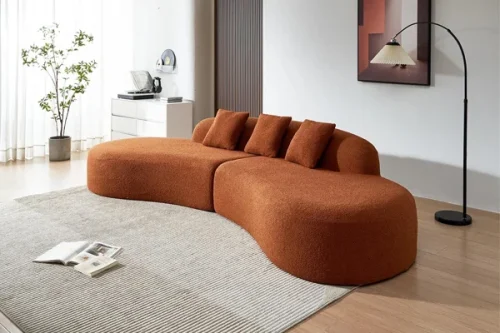
With so many compression sofas on the market, it’s important to know what to look for to find the perfect fit for your space and lifestyle. Here are our top tips:
1. Measure Your Space (Twice!)
Before you start shopping, take precise measurements of your living area—including the width, depth, and height of the space where the sofa will go. Also, measure doorways, hallways, and elevators to ensure the sofa (in both its compressed and expanded forms) can fit through them. Don’t forget to leave enough room for walking around the sofa and opening drawers or cabinets nearby.
2. Consider the Compression Mechanism
Compression sofas use different mechanisms to shrink or expand, so think about which one will work best for you:
3. Prioritize Comfort and Durability
Just because a sofa is space-saving doesn’t mean it should feel uncomfortable. Test out the sofa in person if possible—sit on it for a few minutes to check the cushion firmness, back support, and seat depth. Look for sofas with high-density foam cushions (they hold their shape better over time) and sturdy frames made from hardwood or metal. For fabrics, choose materials that are durable and easy to clean: microfiber is great for families, while leather adds a sleek, modern touch.
4. Think About Style
Compression sofas come in a wide range of styles, from modern and minimalist to cozy and traditional. Choose a design that matches your existing decor—whether that’s a neutral-colored sofa that blends in with your walls, or a bold statement piece that adds personality to your space. Don’t forget to consider details like armrests (slim arms save space, while wide arms add comfort) and leg design (elevated legs make cleaning under the sofa easier).
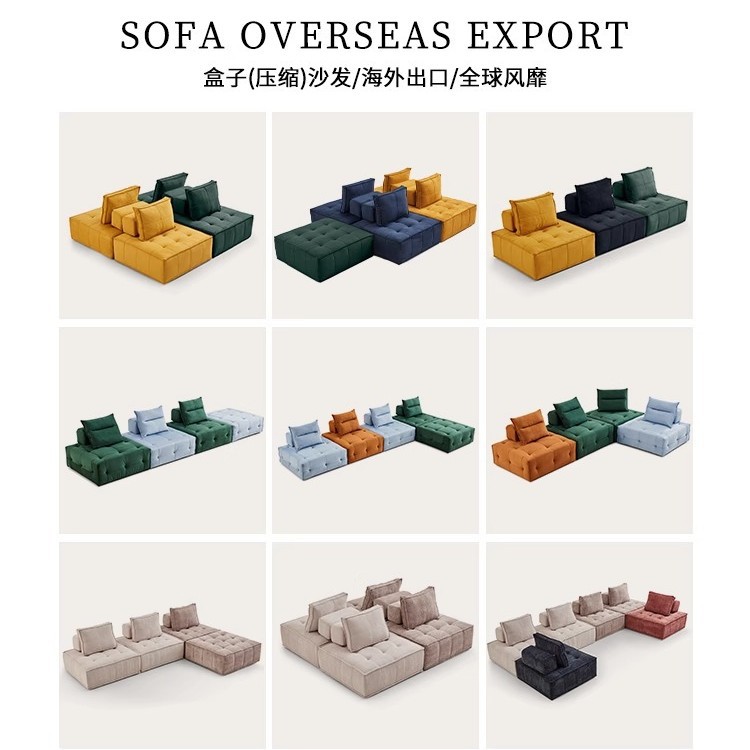
Maintenance Tips to Keep Your Compression Sofa Looking Like New
To ensure your compression sofa lasts for years, follow these simple maintenance tips:
Final Thoughts: Is a Compression Sofa Right for You?
If you’re tired of choosing between comfort and space, a compression sofa is the answer. It’s a versatile, practical, and stylish piece of furniture that adapts to your lifestyle—whether you’re living in a small apartment, hosting guests, or simply want to make the most of your space.
With so many options available, there’s a compression sofa for every budget and taste. Take the time to measure your space, test out different models, and prioritize the features that matter most to you (like durability, comfort, or style). You’ll be surprised at how much a compression sofa can transform your living space—without sacrificing a thing.
Have you ever owned a compression sofa? Share your experience in the comments below—we’d love to hear from you!
Advantages of folding sofas Folding sofas are a versatile addition to any home. They offer more than just a place to sit. These innovative pieces
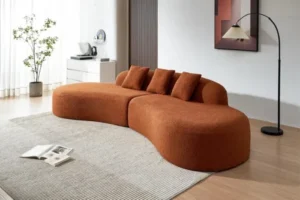
In today’s fast-paced world, where urban apartments are getting smaller and multifunctional spaces are a must, finding furniture that balances comfort, style, and practicality has
Ever heard of a compression sofa and wondered if it’s actually good? You’re not alone. These compact, vacuum-packed sofas are trending—thanks to their space-saving design and easy delivery. But are
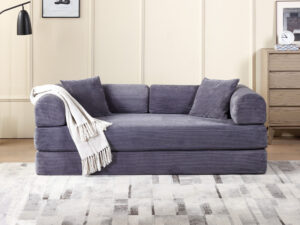
Introduction In today’s fast – paced world, convenience and efficiency are paramount, especially when it comes to furnishing our homes. Transporting large furniture can be
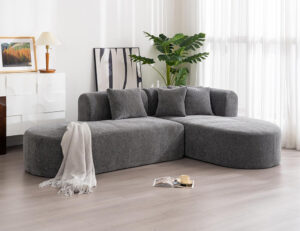
Compression Sofas: The Space-Saving Revolution Led by Graduallysofa In an era of compact urban living and evolving flexible lifestyles, compression sofas have emerged as a game-changer in
21 Responses
bg666gameloginios – the login process was smooth, I tell you what. Sometimes these login pages are a total nightmare, but this one was painless. Decent game selection once I was in too. bg666gameloginios gets a thumbs up from me.
Buntygames? Never heard of it before, but gave it a spin. Has a unique collection of games – saw some stuff I hadn’t played anywhere else. Not a massive library, but worth a look if you’re bored of the usual. buntygames, check it!
Glassicasino is pretty slick. The design is clean and modern, and I appreciate that. Game selection’s solid, and the bonus offers seem legit. Aesthetics are on point! For a classy casino experience check out glassicasino.
Been using 68win14 for a few weeks now. Good selection of slots and live games. Payouts were quick, no issues so far. Check it out, might be your lucky spot: 68win14
Downloaded the b29apk on my phone and I must say now I have access to all the games on the go! A must download for those on the move all the time! b29apk
Just signed up for hm88win. Initial impressions are good. Seems like they’ve got a decent selection of games, and the site is easy to navigate. Hoping to win some real cash! Anyone else tried their luck here? Give it a go: hm88win
Spent some time on p566bet. It’s fairly solid. The overall experience is fine. Go see what it’s all about at p566bet.
Alright guys, checking out aa888br. Seems interesting enough. Hope it’s not a let down. Wish me luck! You can find it here: aa888br
Alright, jumping into cbet789. Hope its not another dud. Wish me well! See if you can strike gold here: cbet789
M88cvf139, anyone know if this is the official site? Don’t wanna get scammed. Just check it out here m88cvf139
Linkjbo88, trying to find the right link for JBO88. Is this it? Hope so! And also hope you’ll think so by checking it here linkjbo88
Voxcasinoonline, New casino, anyone tried it out yet? What are the bonus like? Just check it out here voxcasinoonline
6677betlogin is my new go-to! Easy to navigate and lots of options. Good stuff! Give it a shot: 6677betlogin
Gotta say, 78winvip is growing on me. The VIP perks are actually pretty decent. If you’re looking for a place with a little extra something, check them out: 78winvip
Looking for something new? I found gamespk pretty interesting. User friendly, and lots of variety if you’re looking for something specific. Worth a peek: gamespk
Yo, rh365casino is alright! I’ve had some decent wins there. The slots are pretty cool and the site’s easy to use. Worth checking out if you’re looking for something new rh365casino.
Hey, rumislots is pretty sweet! Been spinning those virtual reels and landed some nice payouts. The game selection is awesome, and it keeps me entertained for hours. Give it a shot, you might get lucky rumislots!
Dude, shwecasinoapk is a real gem. I’ve been playing it on my phone and it’s super convenient. The graphics are good, and the games are fun. Definitely worth a download if you are into casino apps shwecasinoapk.
Yo! 79kingbet has good promos and the interface is alright. Give it a look 79kingbet. It might just be your lucky spot. Plus, the support is decent.
88fcbet is pretty rad for football betting especially. If you love football, this is your jam! Check it out now 88fcbet!
Want to win? 9winbet caught my attention. I had a good run with them. Give it a try 9winbet, you might just get lucky!